A burr hole evacuation of a chronic subdural hematoma is a minimally invasive su...See More
Mar 13, 2026
Call Us
Precision. Compassion. Excellence in every neurosurgical procedure
Advanced brain and spine care delivered with empathy
Dedicated to treating complex neurological and spinal disorders
Faster recovery with less pain and better outcomes
Minimally invasive techniques for safer, faster recovery
.png)
.png)
.png)
.png)
.png)
About Us
Years of Surgical Excellence
Brain Surgeries Performed Successfully
Advanced Spine Surgeries Completed
Endoscopic Procedures with High Success Rates



Advanced Diagnostic and Surgical Care for Neurological Conditions
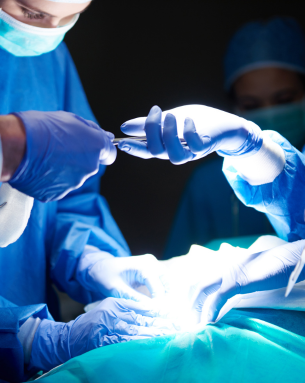
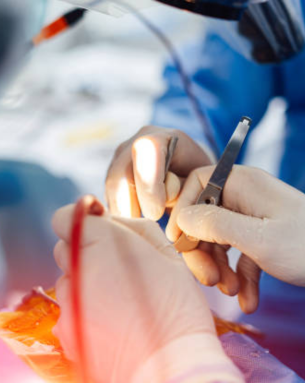
Stay informed with our latest updates, posts, announcements, and healthcare news
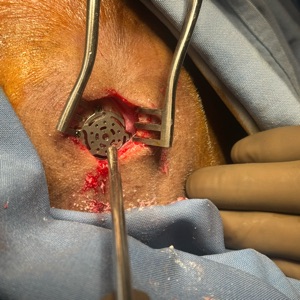
A burr hole evacuation of a chronic subdural hematoma is a minimally invasive su...See More
Mar 13, 2026
Call Us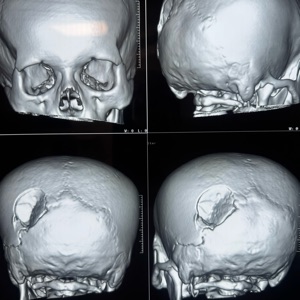
Surgery for skull bone fractures is typically considered when there is depressio...See More
Mar 13, 2026
WhatsApp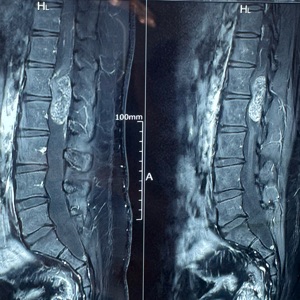
Surgical excision of a spinal cord ependymoma involves a meticulous procedure to...See More
Mar 13, 2026
Call Us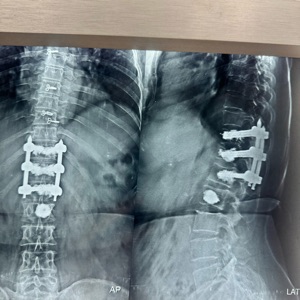
Vertebroplasty is a minimally invasive procedure used to treat pain and stabiliz...See More
Mar 13, 2026
Call Us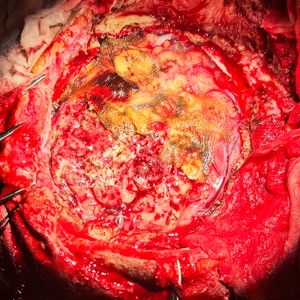
Surgical excision of a meningioma involves removing the tumor from the membranes...See More
Mar 13, 2026
Call Us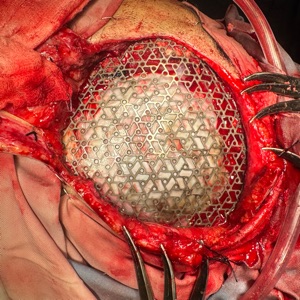
Cranioplasty surgery using titanium mesh involves reconstructing the skull after...See More
Mar 13, 2026
Call Us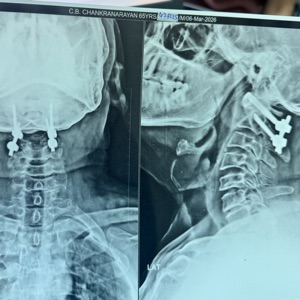
Surgery for atlantoaxial dislocation typically involves C1-C2 fixation to stabil...See More
Mar 13, 2026
Call Us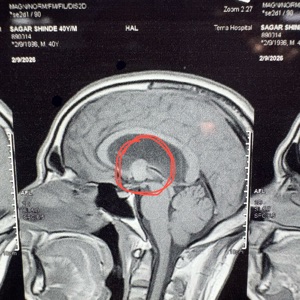
The surgical excision of a third ventricular colloid cyst via the transcallosal ...See More
Mar 13, 2026
WhatsAppNeurosurgeon, Spine Surgeon
.png)
What our Patients says about us
I sincerely thank Dr. Harish Naik, the best neurosurgeon in Navi Mumbai. My father underwent a craniotomy for brain trauma, and the operation was carried out very successfully with great dedication. Before the surgery, our family was extremely worried, but Dr. Naik explained every step with patience, gave us courage, and instilled full confidence. Today, my father is fine, and for this we will always remain grateful. Dr. Harish Naik is not only an experienced neurosurgeon but also a humble and helpful person. People often say doctors are like God, and I truly witnessed this in Dr. Naik. I would strongly recommend him to anyone facing brain-related problems. God bless you, Sir

Dr. Harish Naik has truly been nothing less than a blessing for our family. He saved our loved one after a severe head injury caused by an accident. He performed a complex craniotomy, and from day 1 until now (68 days and counting), he has been constantly available for us. He patiently answers all our queries and explains every concern clearly, which gave our family great confidence and peace of mind during a very difficult time. Dr. Naik is reliable, trustworthy, and exceptionally skilled at what he does. We are deeply grateful for his care and dedication. Our family wouldn’t give him just 5 stars — we would gladly give him 10. We wholeheartedly recommend him to anyone in need of an excellent neurosurgeon.
Dr. Harish Naik is not only knowledgeable but also approachable. I felt comfortable asking questions and discussing my concerns. Clean and modern facility. The attention to detail in patient care is evident. Highly recommended..
Our Latest Videos
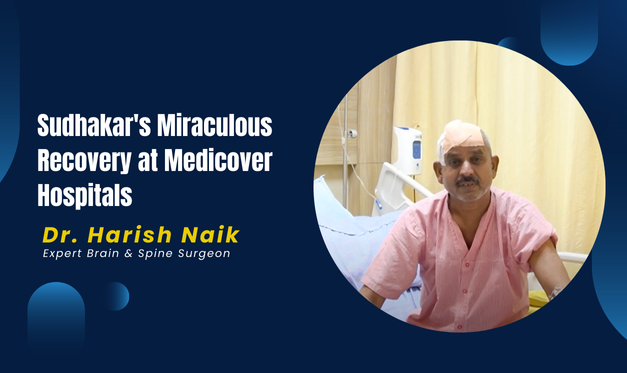




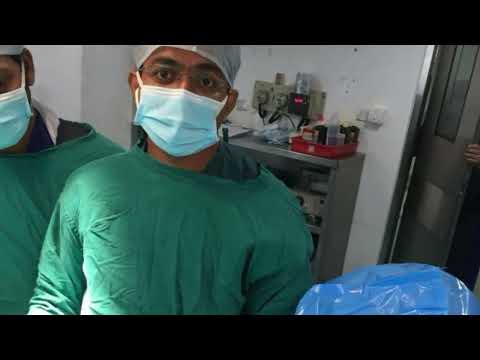


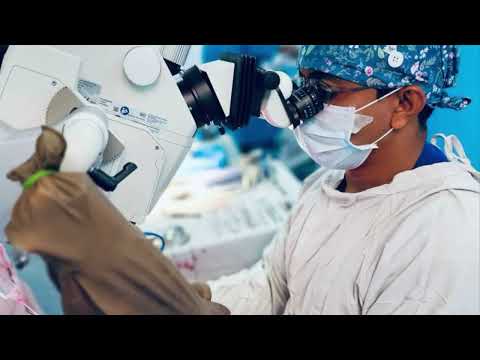


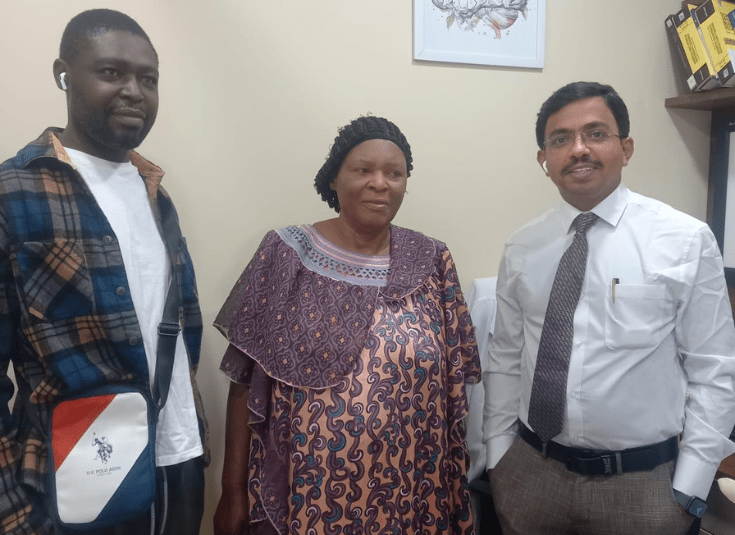
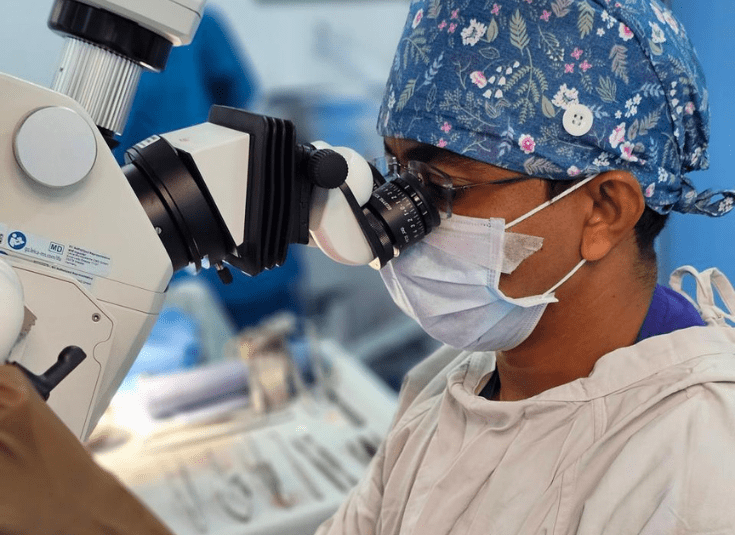
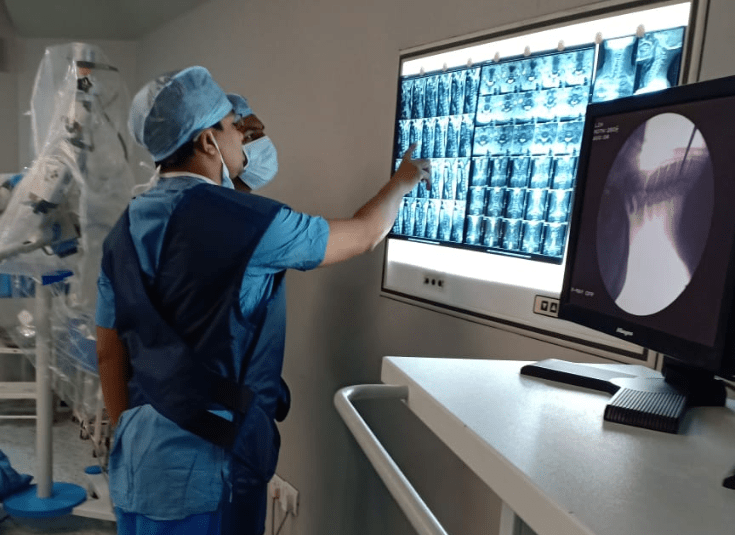
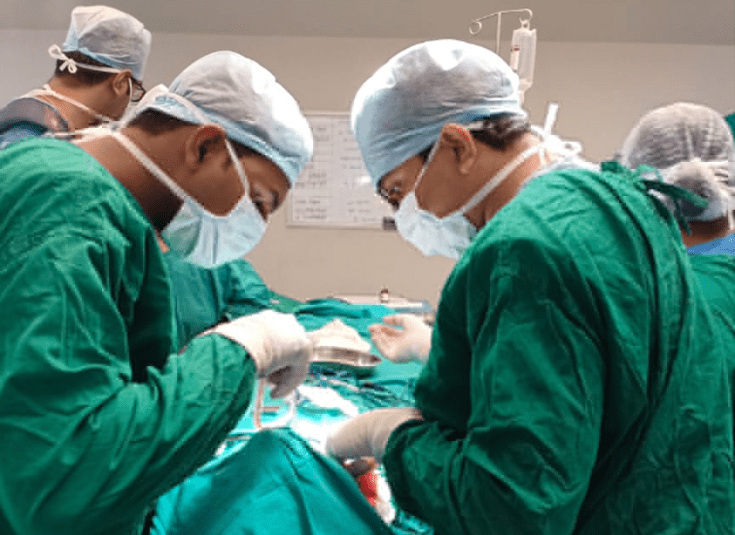
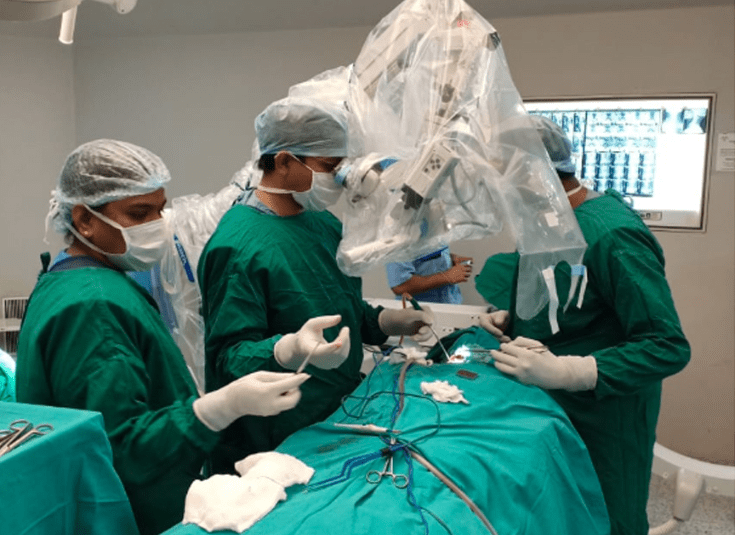
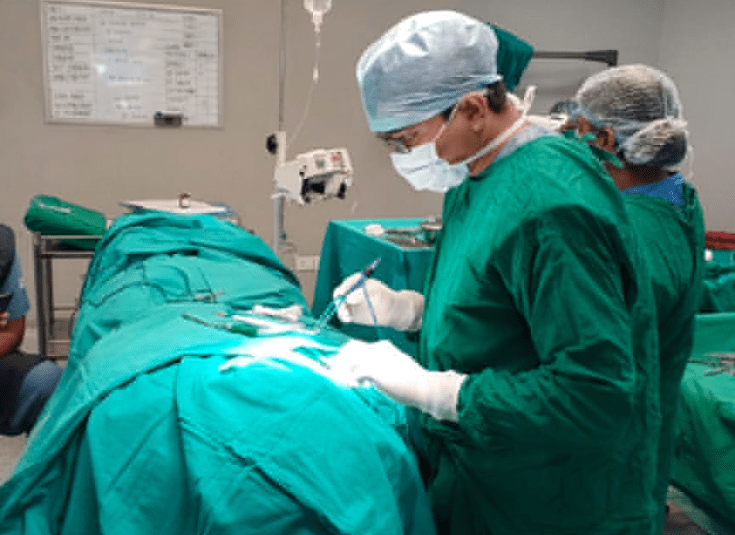
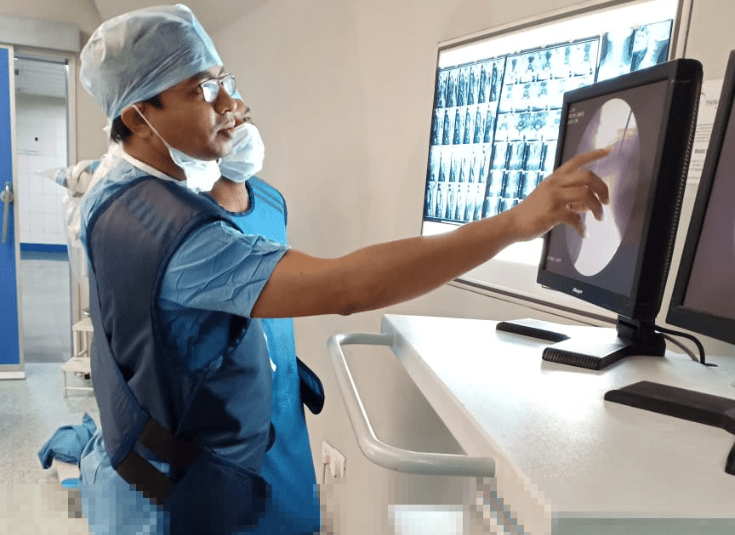
Dr. Harish R. Naik is esteemed for his precision, dedication, and compassionate care in neurosurgery, brain surgery, and spine surgery. Practicing in Navi Mumbai, Dr. Naik has over 10 years of experience managing complex brain and spine conditions. His training at Grant Medical College and J.J. Hospital, Mumbai, and work under experts like Prof. Dr. Vernon Velho, have endowed him with advanced skills, making him a trusted name in neurosurgical care.
Dr. Harish R. Naik, a renowned neurosurgeon, performs an array of intricate procedures. His expertise in Navi Mumbai involves minimally invasive brain and spine surgeries, brain tumor removal, disc prolapse treatment, hydrocephalus management, and spinal trauma treatment. Additionally, he conducts pediatric neurosurgery and has specialized training in Deep Brain Stimulation from King’s College Hospital, London. His commitment to surgical excellence and patient-focused care is well recognized in the medical community.
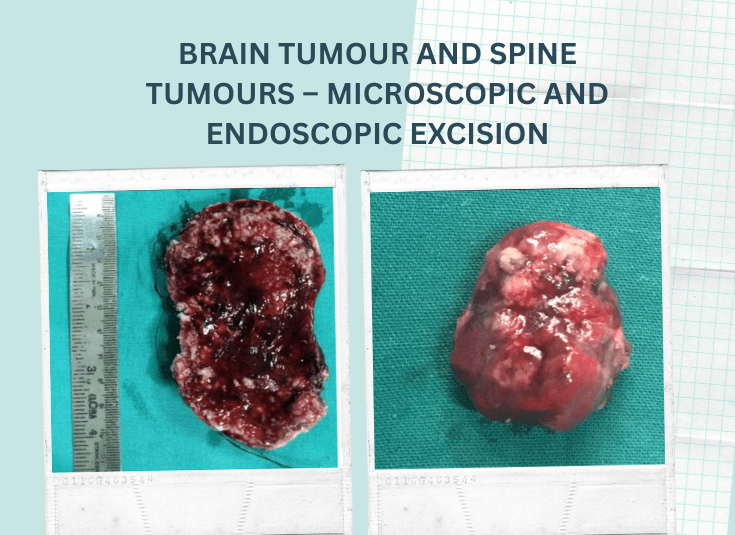
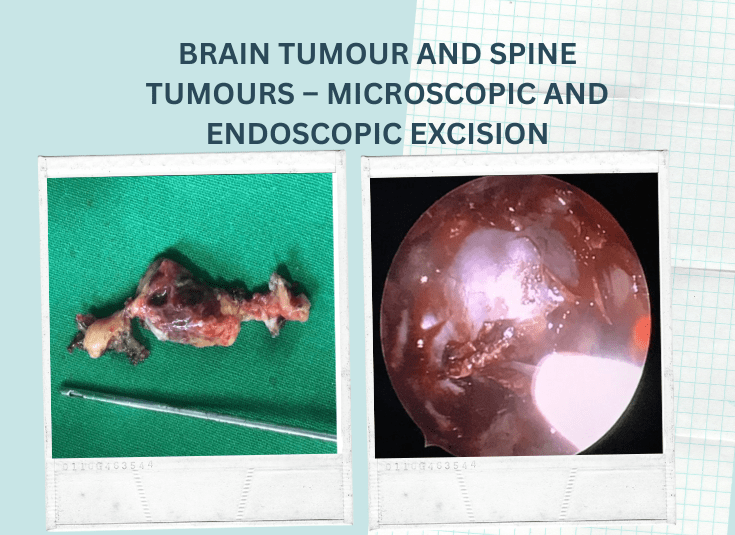
Brain tumor surgery can be performed using open surgery or minimally invasive endoscopic approaches. Open surgery involves craniotomy, where part of the skull is removed to access the tumor. Endoscopic approaches use small incisions and a camera to remove or biopsy the tumor, resulting in quicker recovery times. The choice depends on the tumor's size, location, and type.
Minimally invasive brain surgery involves the use of small incisions and advanced instruments, like endoscopes, to perform procedures with less damage to surrounding tissues. It's used for certain brain tumors, hydrocephalus, and other conditions located in difficult-to-reach areas. Benefits include reduced scarring, faster recovery, and less postoperative pain compared to traditional surgery.
Hydrocephalus management often involves the surgical placement of a shunt system, which diverts excess cerebrospinal fluid from the brain to another area of the body where it can be absorbed. Another approach is neuroendoscopy, such as endoscopic third ventriculostomy (ETV), which creates a pathway for fluid flow within the brain. The choice of treatment depends on the patient's specific condition.
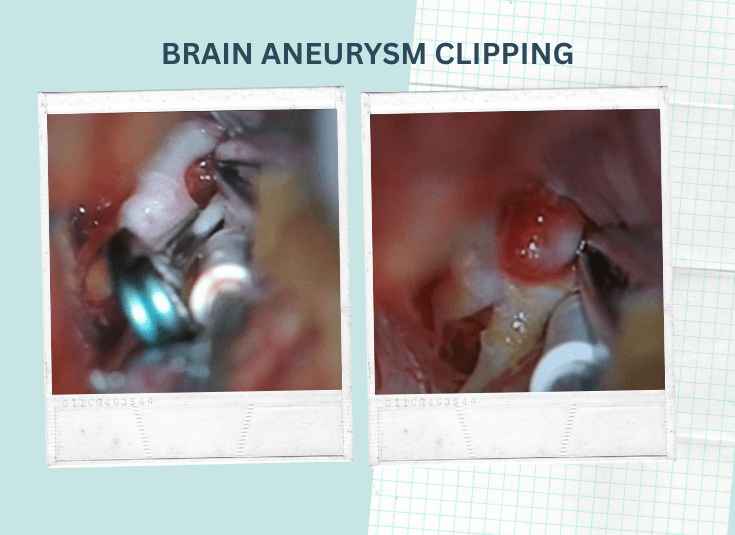
Surgical options for vascular brain disorders include clipping or coiling for aneurysms, carotid endarterectomy, or bypass surgery for preventing strokes, and endovascular embolization for arteriovenous malformations (AVMs). These techniques are tailored to address specific issues such as preventing bleeding or restoring normal blood flow, and the approach depends on the disorder's nature and location.
Epilepsy surgery aims to reduce or stop seizures in individuals unresponsive to medication. Candidates are typically those whose seizures originate from a specific brain area amenable to surgical intervention without impairing critical functions. Procedures might include resection of the seizure focus or disconnection techniques. Comprehensive evaluations including imaging and neuropsychological tests determine candidacy.
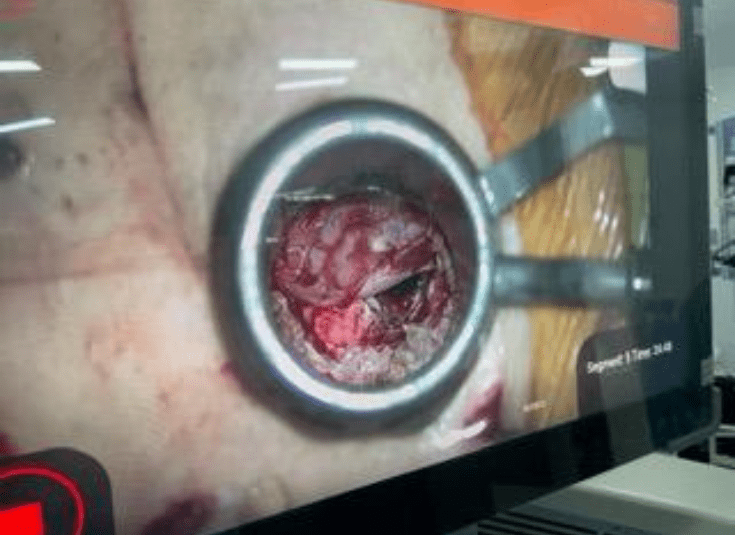
Surgical management of traumatic brain injuries (TBI) focuses on pressure relief, bleeding control, and repair of fractures. Strategies may include craniotomies to remove hematomas or relieve intracranial pressure, debridement of damaged tissue, and stabilization of skull fractures. The surgery aims to prevent further brain injury and address life-threatening conditions, with rehabilitation often following.
Disc prolapse, or herniation, occurs when the spinal disc's inner material protrudes through its outer ring, potentially compressing nerves. Spine surgeons address it through conservative measures like physical therapy and pain management, or surgically via discectomy, where the protruding material is removed. Techniques can vary from open surgery to minimally invasive approaches, selected based on severity and symptoms.
Spinal cord tumors are treated based on their type and location, with options including surgical removal, radiation therapy, and chemotherapy. Surgery aims to remove the tumor while preserving neurological function, often employing microsurgical techniques. In some cases, minimally invasive approaches are possible. Treatment plans are individualized, often involving a multidisciplinary team to ensure comprehensive care.
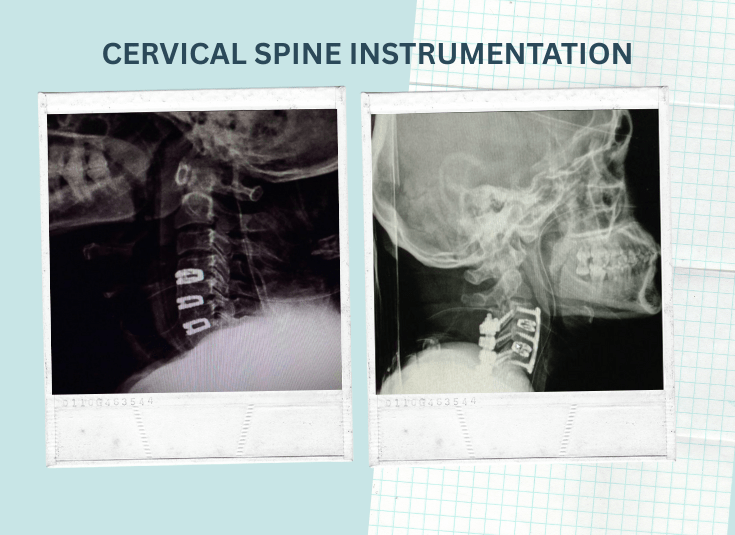
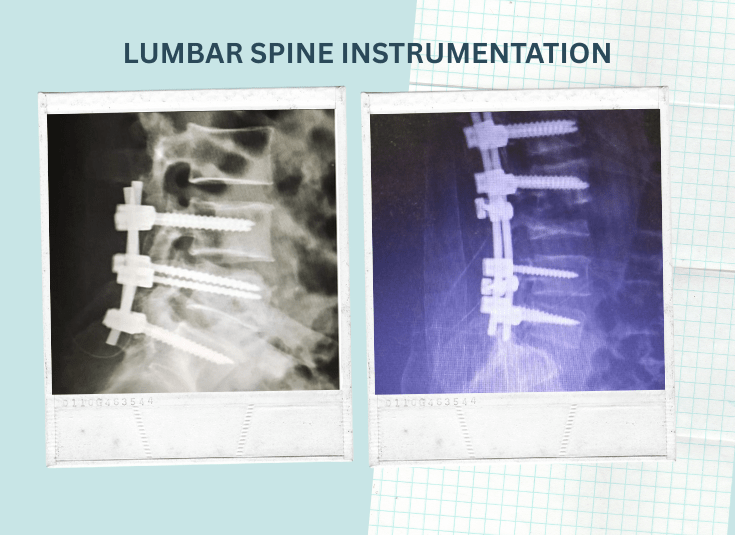
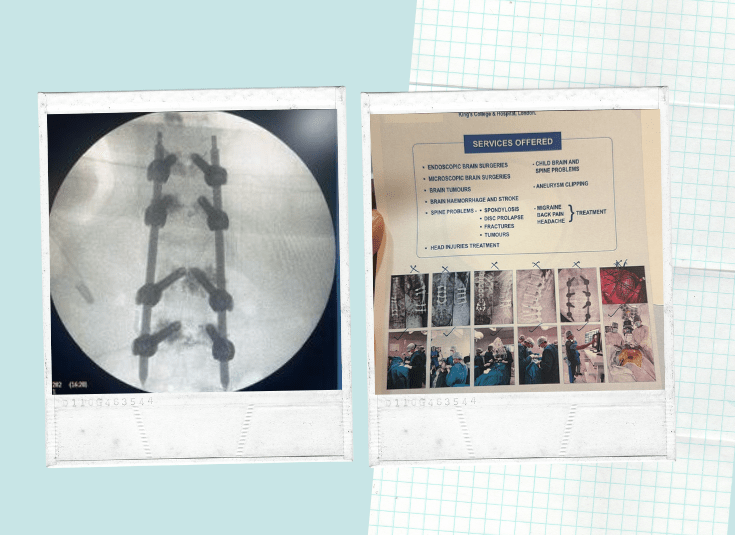
Spinal trauma management involves surgical and non-surgical interventions to stabilize the spine and protect neural elements. Techniques include instrumentation with rods, screws, and plates, spinal fusion, and in some cases, vertebroplasty or kyphoplasty for vertebral compression fractures. The approach depends on injury severity, location, and neurological involvement, aiming to restore spinal alignment and function.
Spondylosis, or spinal osteoarthritis, primarily involves degenerative changes leading to pain and neurologic symptoms. Treatment focuses on pain relief and functional improvement, starting with conservative approaches like physical therapy and medication. If these are insufficient, surgical options may include decompression, fusion, or disc replacement tailored to the patient's specific degenerative changes and symptom severity.
 Address :Dr. Naik's Neuro Clinic 304, 3rd Floor, The Pacific, Sector-13, Shilp Chowk, Kharghar, Mumbai 410210, Maharashtra


